
Japanese Knotweed Herbicide Treatment: Foliar Spraying vs Stem Injection, Timing and Results
Herbicide treatment is the most common way Japanese knotweed is controlled in UK gardens. It is less disruptive and far cheaper than excavation, and it is accepted by most mortgage lenders when carried out under a professional management plan. But "spraying knotweed" covers a range of methods and timings, and the details decide whether you end up with a clean site or years of regrowth.
Foliar Spraying
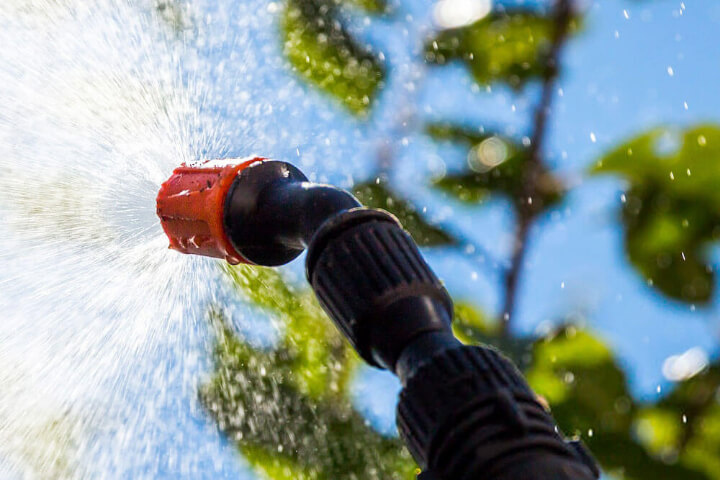
Herbicide is applied to the leaves, usually in late summer or early autumn when the plant is drawing nutrients down into the rhizome. It is quick and covers large stands, but it needs dry, calm weather and care around neighbouring plants and water.
Stem Injection
Each cane is injected with a measured dose. It is slower and more labour-intensive, but it is precise — ideal near ponds, rivers, prized plants, boundaries and gardens with children or pets.
- Pros: minimal drift, accurate dosing, works on tall stands.
- Cons: more labour per stem, usually priced higher for large infestations.
Want to know which method suits your garden?
Send photos and your postcode. We review within an hour and match you with a PCA-accredited specialist.
Get a free photo review →A Typical Programme Timeline
- Year 1: survey, management plan and two treatments (often spring/summer and autumn).
- Years 2–3: treatment of regrowth, which becomes smaller and stunted.
- Years 4–5: monitoring visits; no visible growth signals dormancy.
- Afterwards: an insurance-backed guarantee (often 10 years) — see IBGs explained.
Herbicide vs Excavation
Excavation removes knotweed in days and suits development sites, but it is costly and creates controlled waste. For most homeowners, herbicide under a management plan is the sensible route. Compare prices in our knotweed removal cost guide.
Why DIY Spraying Often Falls Short
Garden centre products can knock back growth, but timing, dose and records matter. Lenders and buyers usually want a professional plan and guarantee — see can I remove knotweed myself? and mortgages and knotweed.
Frequently Asked Questions
How long does herbicide treatment for Japanese knotweed take?
A typical professional programme runs over three to five growing seasons, followed by monitoring. Most guarantees cover around ten years.
What is stem injection?
Stem injection puts a measured dose of herbicide directly into each cane. It reduces spray drift and is useful near water, sensitive plants or neighbours' gardens.
When is the best time to treat Japanese knotweed?
Late summer to early autumn, when the plant moves energy down into the rhizome, is usually most effective. Spring treatments are often used to weaken growth.
Does herbicide kill Japanese knotweed completely?
Herbicide usually forces knotweed into dormancy rather than guaranteed death. That is why programmes include monitoring and re-treatment, and why insurance-backed guarantees exist.